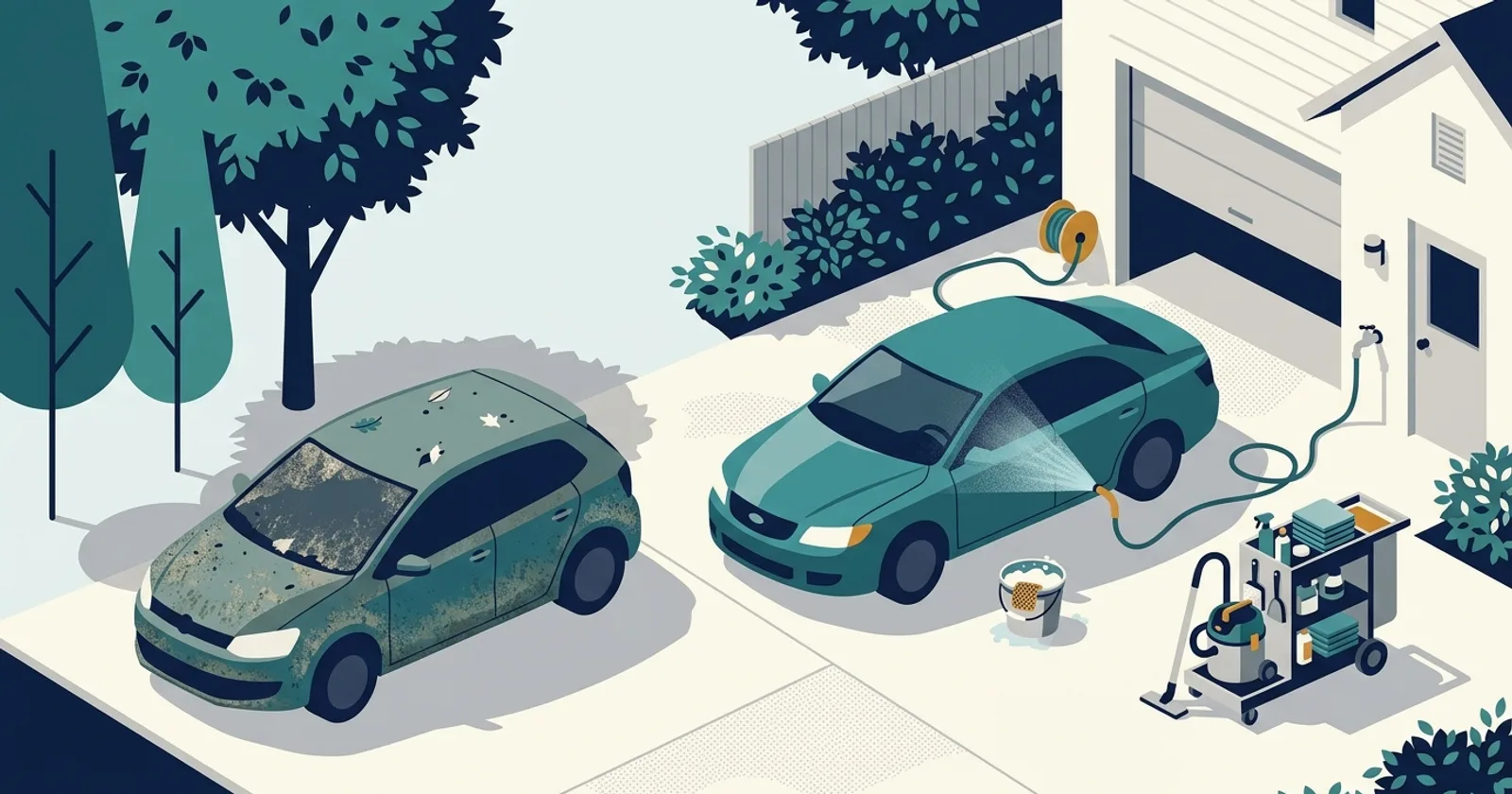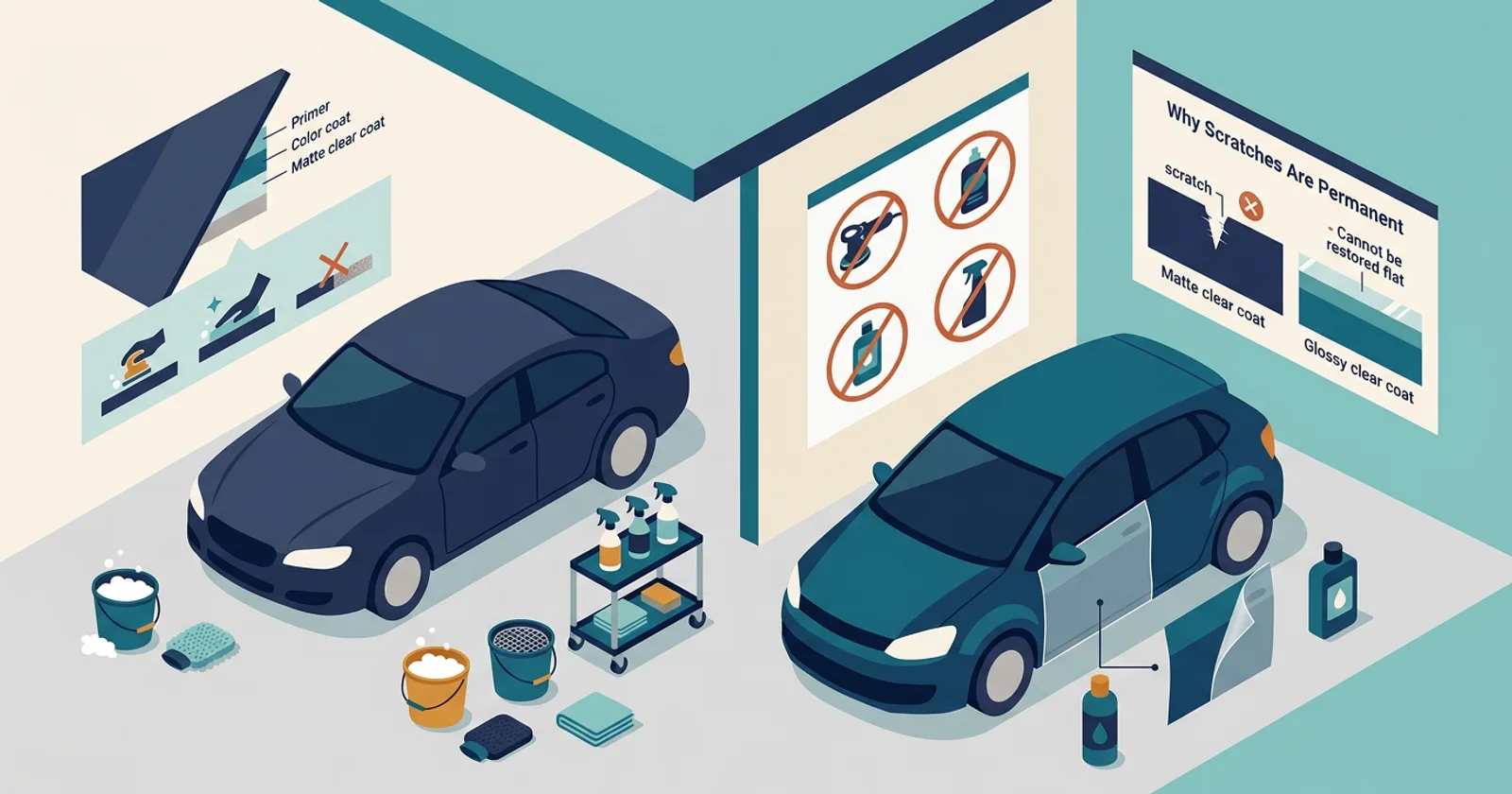
A car owner on a detailing forum recently woke up to exactly this. Someone riding down a bike lane had sprayed flat paint across parked cars. The replies ranged from gasoline, acetone and lacquer thinner to a household lubricant spray, a clay bar or a trip to a body shop. Here is a calmer order to work in.
Step 1: Photograph everything before anyone cleans it
Take wide shots that show the whole car and where it was parked. Then take close-ups of every marked panel, plus the glass, trim, wheels and tires. Write down when you found it. If a doorbell or security camera caught anything, save the clip before it records over.
Don’t wipe or test a solvent “just to see” until the photos are done.
Step 2: Get a police report number
Some cities take vandalism reports online when the crime is not in progress and there is no known suspect. Seattle’s police department lists property destruction among the crimes you can report online. The incident must be inside city limits, with no known suspects. Once a report is approved, the department emails an official report number. It calls this the number you need to file with your insurance company.
The same page is honest that most of these cases won’t be investigated. It adds that online reports are usually the quickest way to get a report for your insurer, and that you can add details later through a supplemental report. Your city’s rules may differ, so check its police website or call the non-emergency line. Seattle’s page says online reports are only for crimes that are not in progress, so if it’s happening now, call 911.
Step 3: Check your policy before you decide
Vandalism usually falls under comprehensive coverage, not collision or liability. Washington’s insurance commissioner says comprehensive covers your car “if a tree falls on it or someone vandalizes it.” If you own the car outright, you may not carry it. The same guide says a lender may require it until the car is paid off.
A few more points from the commissioner’s pages are worth knowing before you call anyone:
- Deadlines vary. How long you have to file depends on your policy and insurer, so verify it with your agent.
- Protect the car. You’re expected to keep it from further damage.
- The shop is usually your call. Typically, you choose the repair shop.
- Deductibles matter. The guide mentions raising comprehensive deductibles from $100 to $500 to save on premiums. It also suggests paying smaller claims yourself and saving your insurance for larger ones.
This isn’t insurance advice. Your policy’s wording and your agent decide what is covered and what a claim may do to your premium.
Step 4: Detailer first, body shop if that fails
Speed helps. One clay maker’s overspray guide says sprayed paint keeps hardening for days or weeks after it lands, so same-day overspray clays off much more easily. That guide is about a fine mist. A thick tag is heavier, but the timing lesson is the same.
A good detailer works from gentle to strong:
- Wash so grit isn’t dragged across the paint.
- Clay with plenty of lubricant. The same guide warns that running clay without lubricant scratches paint.
- Use a remover made for vehicles, after a test spot. One graffiti-remover maker’s vehicle directions say to test in a hidden area, spray, wait 60 seconds and wipe with a clean white cloth. Then rinse it all off, never leave it on for long, and keep the car out of direct sun. On hard surfaces, the same maker warns the product may remove surface paint. That’s why the test spot isn’t optional.
- Polish only if marks or dullness remain. A gauge maker notes detailers polish the top clear coat layer to remove overspray, which uses up clear coat. A careful detailer may check paint depth before polishing.
Skip the fuel and hardware-store thinners from forum replies. If you DIY, follow a product’s vehicle directions exactly.
| What you see | Call first | Why |
|---|---|---|
| Light mist or a thin tag, found the same day | Mobile detailer | Wash, clay and a tested remover often handle it |
| Paint on glass, wheels or chrome | Mobile detailer | Non-paint surfaces, but test any product first |
| Paint on textured, unpainted plastic trim | Detailer, and ask about trim risk | Ask the detailer how they’d treat trim before they start |
| Paint still there after gentle steps, or a panel dulled by a solvent | Body shop | The panel may need refinishing, not cleaning |
| Several panels, or keyed paint and broken glass too | Your agent first, then a shop you choose | A bigger repair is more likely to justify a claim |
Step 5: Claim or cash?
Get the detailer’s quote in writing. If a body shop is needed, get its estimate too. Then compare the total with your comprehensive deductible and ask your agent how a claim could affect you. Keep every receipt either way. Our guide to finding a reliable mobile detailer covers what to check before you book.
If the result isn’t right, the steps in getting a detail fixed still apply.
Afterward, protect the paint again. The clay maker notes that decontamination strips existing wax or sealant, and a fresh layer makes future contamination easier to remove. For longer-term options, see PPF vs ceramic coating.
Sources
Checked 2026-10-09. How we check facts: methodology.
- Washington State Office of the Insurance Commissioner, Consumer guide to auto insurance (PDF): oic.wa.gov/sites/default/files/2026-09/auto-insurance-guide.pdf
- Washington State Office of the Insurance Commissioner, Filing an auto insurance claim: oic.wa.gov/insurance-resources/auto-insurance/auto-insurance-claims/filing-auto-insurance-claim
- Seattle Police Department, Online crime reporting: seattle.gov/police/need-help/online-reporting
- Chemical Guys, How to remove paint overspray from your car: chemicalguys.com/blogs/exterior-how-tos/how-to-remove-paint-overspray-from-car
- Lift Off, Spray Paint & Graffiti Remover (directions): liftoffinc.com/products/spray-paint-graffiti-remover
- DeFelsko, How to use paint thickness gauges for better automotive detailing: defelsko.com/resources/how-to-use-paint-thickness-gauges-for-better-automotive-detailing
- Community discussion: a detailing forum thread (September 2026) about spray-paint vandalism from a bike lane. Not linked under our brand-safety rules; record kept in our source file.