Most weeks are boring, and that’s the goal. The expensive weeks come from one bad pickup. Here’s how to keep both cheap.
The 15-minute weekly routine
You don’t need a full detail every week. You need the same few steps in the same order, so nothing builds up.
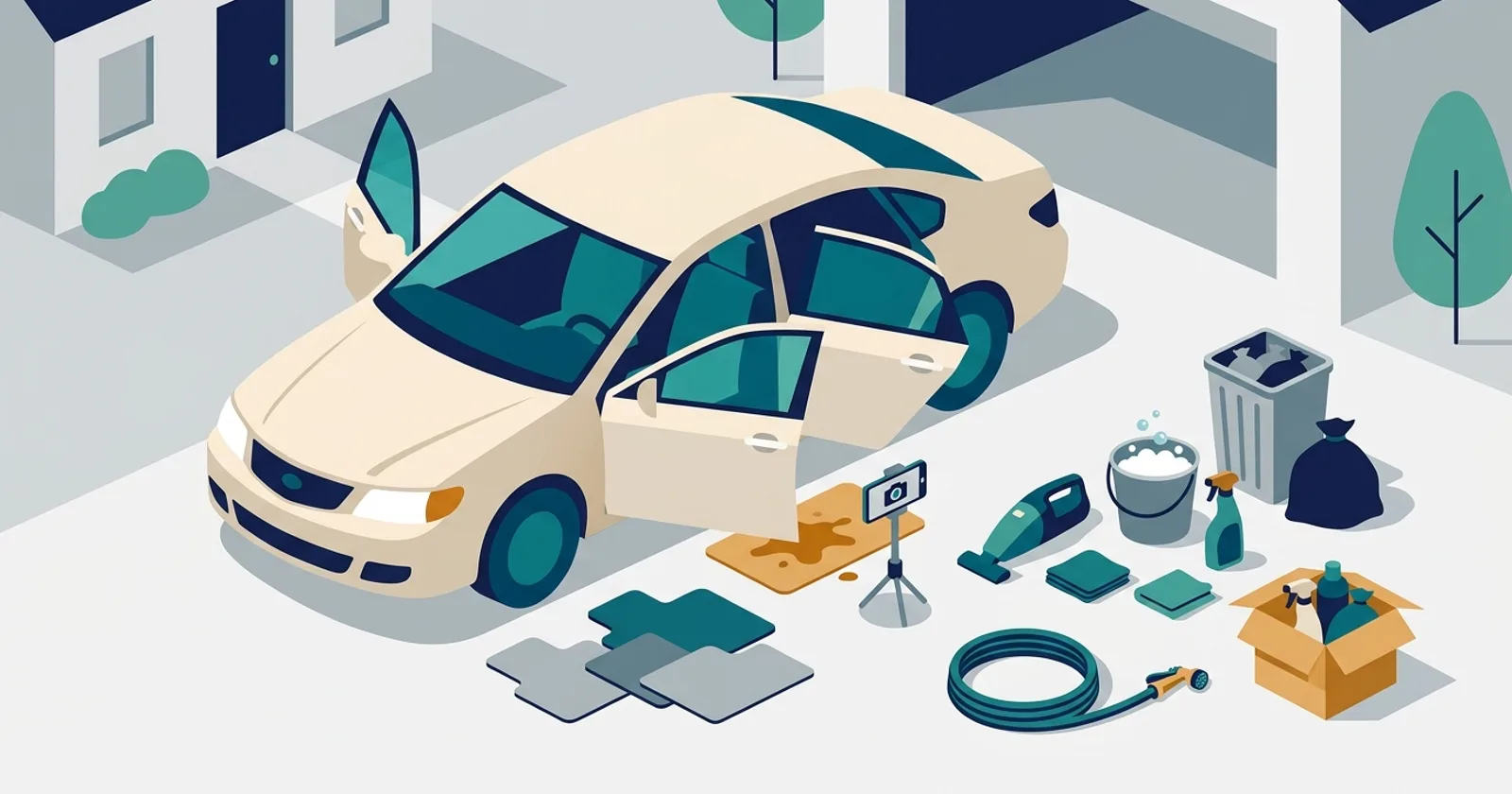
- Trash and lost items. Empty door pockets, seat-back pockets and cup holders. Check under and between the seats with a flashlight.
- Mats out, vacuum. Shake or rinse rubber mats. Vacuum the rear footwells and seat seams first, since that’s where riders sit.
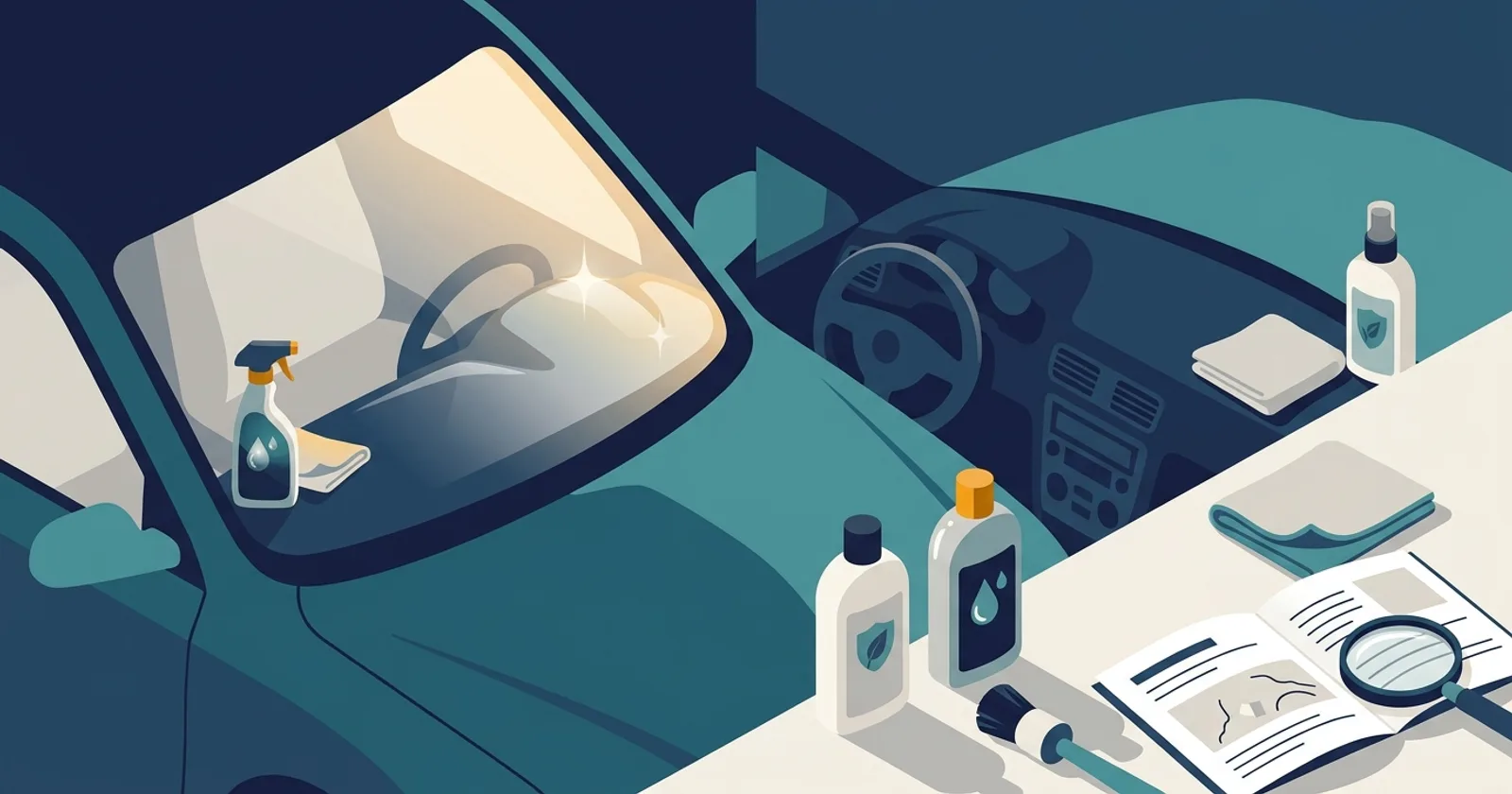
- Wipe touch points. Door handles inside and out, window switches, seat belt buckles and the backs of the front seats. An interior cleaner and a microfiber towel are enough.
- Glass and a sniff test. Clean the inside of the rear windows, then sit in the back seat with the doors shut. If you smell anything, find it now, not after a rider mentions it.
Keep a small kit in the trunk:
- sick bags and paper towels
- disposable gloves
- a trash bag
- a spray bottle of cleaner
Seat covers and deep-lipped rubber mats make the bad night much easier. Perforated or ventilated seats need a gentler method, covered in cleaning them without clogging the holes.
Some cities write parts of this into the rules. Seattle’s rules for TNC drivers say you must check after each trip for items riders left behind. They also ban smoking in the vehicle and let the city inspect your car on request. Check your own city’s for-hire rules.
Every few months, a full interior detail resets what the weekly routine can’t reach. To see what each price level includes, read cheap vs mid vs premium interior details.
When a rider makes a mess
Document first. Before you wipe anything, end the trip, pull over somewhere safe and take photos. One platform’s driver help page asks for at least 3 clear, well-lit photos from different angles. It also wants the date and time and how it happened. The other asks for at least one clear, well-lit photo and a short description.
Take more photos than you think you need. One driver on a rideshare forum took only two. Support asked for a third photo, then closed the chat. Shoot a wide photo that shows where in the car the mess is. Then take close-ups and any splash on doors or the headliner.
What the apps pay
| Lyft (driver help page) | Uber (driver cleaning fee policy) | |
|---|---|---|
| Deadline to report | Up to 24 hours after the incident | Within 3 calendar days of the trip |
| Photos | At least 3, well lit, different angles | At least 1 clear, well-lit photo |
| Typical amounts | $25 minor, $75 moderate, $150 significant | $30–$60 minor, $55–$85 moderate, $80–$225 severe |
| Receipt needed? | Not listed | Only for professional cleaning; self-cleaning caps at $80 |
| Not covered | Smells, wear and tear, time cleaning or not driving | Smells, routine cleaning, wear and tear, time cleaning or not driving |
Two lines matter most. First, neither app pays for odors or your lost hours. Second, a fee is never guaranteed. One app’s policy says it decides every request and the amount at its sole discretion.
For professional cleaning, that app wants a receipt dated within 3 days of the trip. It must show a verifiable business name, an itemized list of services and the total. It won’t accept screenshots of payment apps. Ask your detailer for a proper itemized invoice before you pay.
Cleaning it up safely
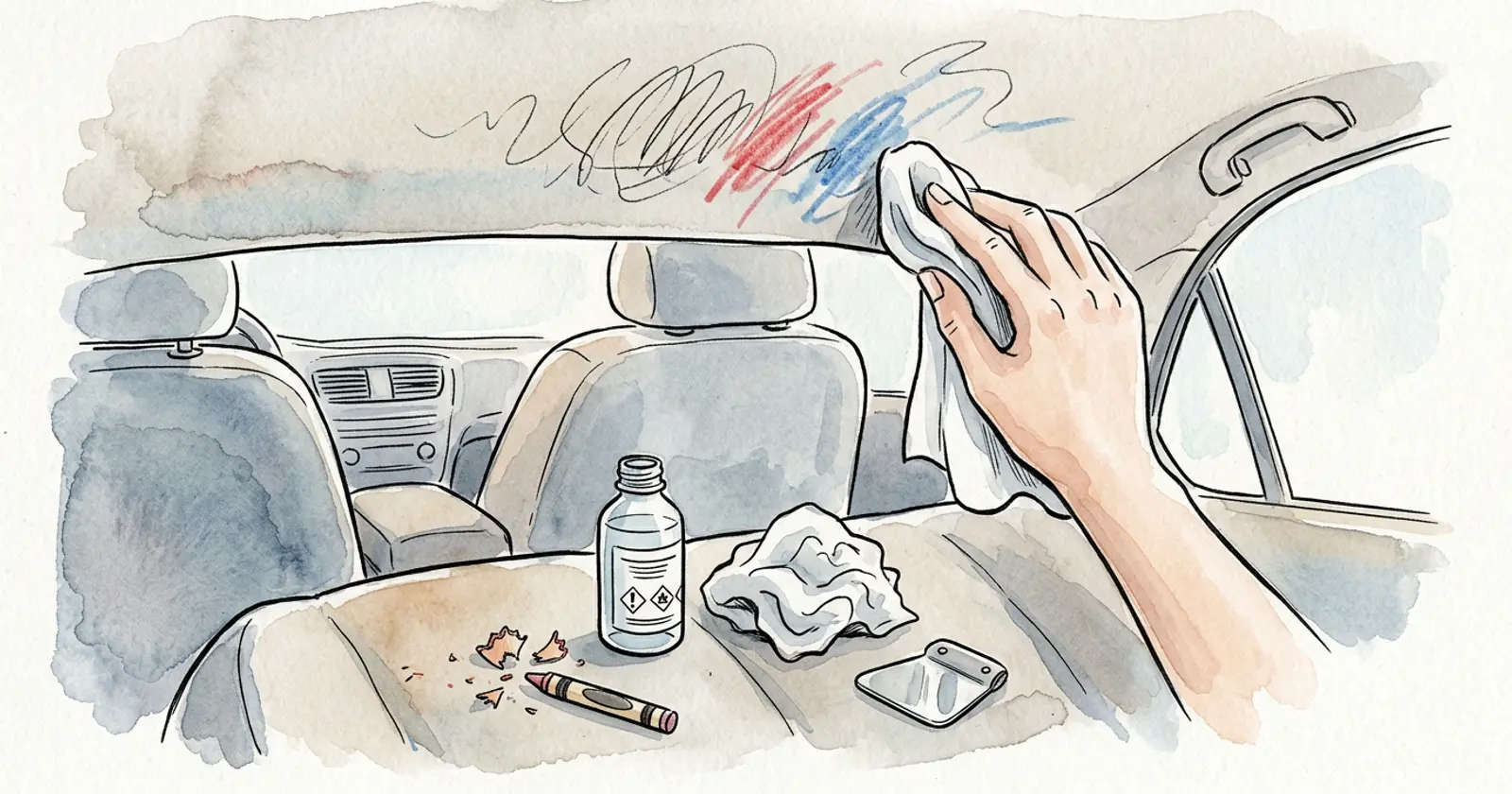
This isn’t medical advice. Your local health department has the full guidance. Oregon’s public health division advises protective gear like gloves. Soak up vomit with disposable cloths or absorbents like cat litter. For carpet and upholstery, it says to clean with detergent and hot water, and not to vacuum. Then steam clean at 158°F for 5 minutes or 212°F for 1 minute.
If your steamer doesn’t reach those temperatures, that’s often the line between a self-clean and paying a pro.
When to pay a detailer
Clean it yourself if the mess landed on a seat cover, a rubber mat or a wipeable surface. Call a detailer when it soaked into cloth seats, carpet or foam, or got into seat rails and vents. That’s where smells live, and the apps won’t pay for a smell later. For tough odors, see how detailers tackle specific car smells.
Know the math before you book. One Phoenix-area mobile detailer lists bodily-fluid and odor removal with a full interior detail at $299. That’s $74 more than one app’s $225 maximum. It’s $149 more than the other’s typical $150 top tier, so a bad mess can still cost you money. Ask for a written quote and how long the car will be off the road. Then check that the detailer is reliable before you hand over the keys.
Sources
Based on 7 sources · How we price
Checked 2026-10-09. How we check facts: methodology.
- Lyft Help, Reporting damage caused by passengers: help.lyft.com/hc/en-us/all/articles/115012925927-How-to-report-damage-caused-by-passengers
- Lyft Business Help, I was charged a damage fee: help.lyft.com/business/hc/en-us/articles/20043739278099-I-was-charged-a-damage-fee
- Uber Help, Uber Driver Cleaning Fee Policy: help.uber.com/driving-and-delivering/article/uber-driver-cleaning-fee-policy?nodeId=2dba264f-edb9-4ae7-8186-68dd399874f0
- City of Seattle, Business Regulations, TNC Drivers: seattle.gov/business-regulations/regional-dispatch-agencies-and-tncs/transportation-network-companies/tnc-drivers
- Oregon Public Health Division, Cleaning up vomit and other unpleasant tasks (PDF): oregon.gov/oha/ph/DiseasesConditions/CommunicableDisease/Outbreaks/Documents/cleanup.pdf
- 7 Stars Mobile Auto Detailing, Services: book.heygoldie.com/7-Stars-Mobile-Auto-Detailing
- Community discussion (cleanup photo requirements): reddit.com/r/lyftdrivers/comments/1pfvifk